Tree Loppers Near Me: How To Choose The Right Provider
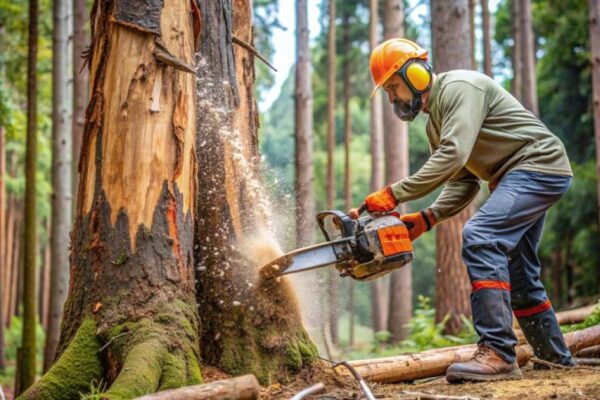
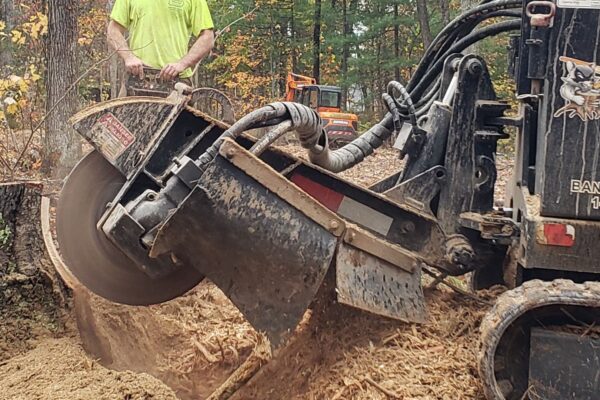
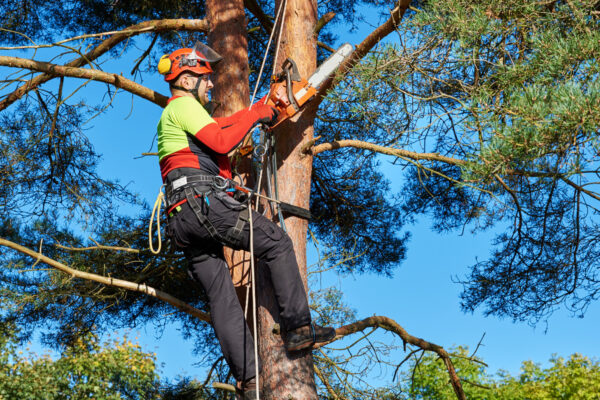
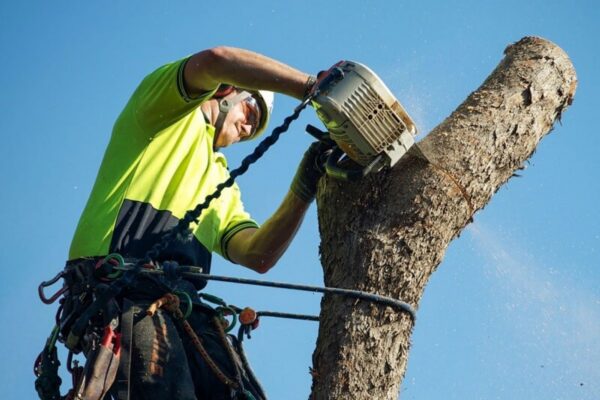
This guide helps households and property managers compare local options quickly, without getting caught by vague quotes or risky shortcuts. What does a tree lopper actually do? When people search for “tree loppers near me”, a tree lopper prunes, removes, or reduces parts of a tree to manage safety, health, access, or clearance. They may remove deadwood, reduce overhanging limbs, shape a canopy, or fell a tree entirely when needed. If you would like to better understand professional tree lopping services and when they may be required, Click here. In many cases, the best providers found through “tree loppers near me” searches will suggest the minimum effective work, rather than the most aggressive cut. How can someone tell if a provider is qualified? They should be able to show relevant training and competencies for chainsaw use, rigging, climbing, and aerial work. In the UK, common indicators include recognised arboriculture qualifications and adherence to safe working practices. If they cannot explain their method clearly, or they dismiss basic safety questions, that is usually a sign to keep looking. What insurance should a tree lopper have? They should hold public liability insurance suitable for tree work, and employers’ liability insurance if they have staff. Tree work can involve significant risk to roofs, vehicles, fences, neighbours, and passers-by. A reputable provider will share proof of insurance on request and will not act offended by the question. Should they be an arborist or is a “tree surgeon” enough? For straightforward pruning or small removals, an experienced tree surgeon may be fine. For protected trees, large removals, trees close to structures, or any signs of disease, they should have arboricultural knowledge and be comfortable providing a proper assessment. When in doubt, choosing a qualified arborist or a tree surgery business reduces the chance of poor pruning that weakens the tree long term. How do they check if a tree is protected? They should ask about Tree Preservation Orders (TPOs) and whether the property sits in a conservation area. They may also advise the client to confirm with the local council, because rules vary and penalties for unauthorised work can be serious. If they encourage rushing the job “before anyone notices”, that is a clear red flag. What questions should be asked before booking? They should be willing to answer practical questions without dodging details. Useful questions include: What is the objective of the work? Which cuts will be made and why? How will limbs be lowered safely? Who is responsible for permissions? What is included in the quote? Good providers explain outcomes in plain language, not vague promises like “tidy it up”. What should a proper quote include? It should clearly describe the scope, such as pruning type, reduction amount, or full removal, plus access details and equipment requirements. It should state whether waste removal, stump grinding, and log splitting are included, and whether VAT applies. If the quote is only a single line with a price, it is harder to compare and easier for disputes to start. How can someone compare prices without choosing the cheapest? They should compare like for like: the same scope, the same disposal, and similar risk level. A higher price can reflect better rigging, extra staff for safety, traffic management, or the cost of responsible waste disposal. A very low quote often means corners are being cut, or the scope is not truly the same. What are the most common red flags? They should be cautious if the provider refuses to provide insurance details, pushes for cash-only with no paperwork, or cannot describe how they will protect nearby structures. Poor communication, vague quotes, and “topping” recommendations are also warning signs. If they suggest drastic cuts without explaining tree health impacts, the client should seek a second opinion. What is “topping”, and why do good providers avoid it? Topping is the practice of cutting the upper canopy back to stubs to reduce height quickly. It often triggers weak regrowth, increases decay risk, and can make the tree more dangerous over time. A better provider will usually recommend crown reduction or selective pruning that respects the tree’s structure. How do they handle safety on the day? They should set a clear work zone, use appropriate PPE, and manage falling debris with ropes and controlled lowering when required. They should also consider pedestrians, neighbouring gardens, parked cars, and overhead services. If the setup looks rushed or unsafe, the client should pause the job and ask for clarification before work continues. Who is responsible for cleaning up and waste removal? They should confirm whether chipping, log removal, leaf clearing, and haul-away are included. Many disputes happen because the client expects a clean finish and the provider expects the client to keep the wood. A clear agreement upfront avoids surprise piles of branches on the drive. When should someone ask for a written report? They should consider a written report when there are signs of disease, cracks, leaning, root issues, or when the tree is near buildings and any failure would be costly. A brief written assessment can also help with landlord decisions, neighbour disputes, and insurance conversations. Serious providers will not guess at structural problems from a quick glance alone. How can reviews be used without being misled? They should look for reviews that mention similar work, such as safe dismantles near houses, not just “great job”. Photos of before and after results help, as do reviews that mention punctuality, clear quoting, and tidy clean-up. If a business has many reviews posted in a short burst, it may be worth verifying with additional sources. What is a sensible way to shortlist “tree loppers near me”? They should shortlist three local providers, request written quotes with the same scope, and choose the one that explains the plan clearly and demonstrates insurance and competence. The best choice is rarely the fastest talker; it is the most transparent operator. Learn whether stump grinding in Sydney near buildings is considered safe and what precautions experienced contractors…