tree stump removal near me

Is Stump Grinding in Sydney Safe for Nearby Buildings?

How Close Can Stump Grinding Be Done Near a House or Structure? Stump grinding can often be done very close to buildings, fences, paving, and retaining walls, because it removes the stump by grinding it down rather than pulling the whole root plate out. Compared with full stump removal by excavation, grinding is typically the lower impact choice near structures since it avoids large-scale digging that can undermine soil around footings. That said, there is no single safe distance that applies to every Sydney garden. Professionals assess stump size and species, root spread, machine access, soil type, slope, and what’s nearby, including walls, slabs, pool surrounds, and garden edging. In Sydney, when people search for “tree stump removal near me”, the tricky jobs are often the normal ones. Tight side access, stumps beside retaining walls, stumps near driveways, and stumps inside garden beds all change the plan because they affect machine choice, debris direction, and how much root chasing is sensible. To understand how professionals safely manage stump grinding in confined or sensitive areas, Learn more. Some locations limit what can be ground. If a stump is hard up against a wall, operators may recommend a partial grind to a safe line, staged grinding in smaller passes, or selective root chasing only where it won’t risk services or hardscape. In some cases, leaving the remaining wood to decay (sometimes with a targeted treatment) is the safest option, especially where a grinder cannot be positioned without striking a structure. Professional tree services treat this as a planning and risk assessment job, not just a quick cut. A good contractor will assess the site conditions, set the method, then advise on next steps like backfilling, re-turfing, and whether replanting is suitable given the remaining roots and soil level. Factors that determine safe working distance Safe working distance is driven by what the stump demands and what the site will tolerate. Large diameters and harder timbers can increase grinding time and raise the chance of debris throw if the technique is poor. Root buttresses and surface roots matter as much as the stump. If buttress roots run under pavers or toward a slab edge, an aggressive approach can disturb bedding sand or crack edging, so the operator may limit depth or change the cut angle. Soil conditions across Sydney also change the risk. Sandy soils can slump if over-excavated or left uncompacted, while clay can hold shape but may heave or shrink with moisture changes. Aftercare, including correct backfill and compaction, is often what prevents later sinking. Access is another major factor. Narrow gates, steps, and soft lawns may rule out larger machines, so a pedestrian grinder may be chosen to reduce ground pressure and improve control near walls and tight corners. When “close” becomes “not recommended” Grinding very close may be possible, but not always sensible. If there are visible cracks in nearby masonry, older or shallow footings, retaining walls under load, or signs the ground is already moving, the job may need extra controls or an alternative method. Underground service congestion is another red flag. Where you have shallow pipes, unknown drainage runs, or multiple conduits crossing a small yard, a contractor may limit the grind depth, restrict root chasing, or recommend different removal and remediation steps. Council rules can also come into play if stump grinding is part of related works such as tree removal or lopping. Sydney councils vary, so professionals should confirm any approvals or permits before proceeding, especially in heritage areas or where tree protection controls apply. Can Stump Grinding in Sydney Damage Foundations or Underground Pipes? Stump grinding removes the stump to a set depth below ground, but it does not rip out the entire root system like excavation. That difference is why grinding is generally lower risk near buildings, because it is more localised and involves less soil disruption. The realistic risks are usually to shallow services. Stormwater lines, irrigation, electrical conduits to sheds, and older pipes can be close to the surface, particularly in established suburbs where services have been added over time. Foundation damage is unlikely when the grinder is used correctly, but it is not impossible. Risk increases when grinding is extremely close to a footing, where soils are unstable, or where the building already has structural issues and the ground is sensitive to vibration and disturbance. Roots may already be affecting pipes or paving before the stump is removed. Grinding stops the stump from reshooting and removes the main obstruction, but many roots remain and will decay over time. A professional can advise whether extra root management is needed, and whether monitoring or repairs are more appropriate than chasing roots blindly towards a pipe or slab. After the job, the most important protection for structures is often simple: correct backfill, compaction in layers, and keeping surface water from pooling near the foundation line. Post-removal inspection notes help homeowners prevent settlement and drainage issues. Other Resources : Resolving building disputes with your builder or tradesperson Common underground assets at risk in Sydney properties The most common underground assets include stormwater and sewer lines, gas lines, NBN and telecom conduits, and electrical runs feeding garages, pumps, or garden lighting. Older properties may still have fragile clay sewer sections, while newer installations are more often PVC, which can still be damaged if exposed or struck. Before stump removal Sydney jobs, “Dial Before You Dig” (1100) and any available site plans are a practical baseline. On-site verification still matters because not every private line is mapped, and past renovations can leave surprises. What’s more likely than structural damage The most common incident is not a cracked footing; it is flying debris. If exclusion zones are not set, woodchips and small stones can hit windows, vehicles, fences, or neighbouring property. Surface scarring is also common with poor positioning. Pavers, edging, render, and fence panels can be marked if the machine is too close or the operator cannot control the throw direction. Finally, settlement is a…
Read More
stem grinding

The Importance of Stump Grinding for a Clean and Safe Landscape

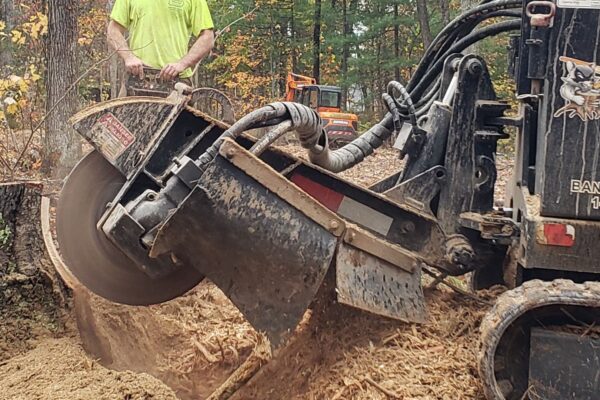
Maintaining a clean and safe landscape is essential for every homeowner. An often overlooked aspect of landscape maintenance is stump grinding. Understanding stump grinding and its role in landscape maintenance is crucial for creating a beautiful and hazard-free outdoor space. Additionally, stump grinding offers numerous environmental benefits compared to traditional stump removal methods. This article will explore the importance of stump grinding, its role in landscape maintenance, the various environmental benefits it provides, and the advantages of hiring professionals for stump grinding. Understanding Stump Grinding Stump grinding is a popular choice for many homeowners and landscapers due to its efficiency and cost-effectiveness. By grinding the stump into wood chips, it not only eliminates the eyesore of a protruding stump but also prevents potential hazards such as tripping or insect infestations that can arise from decaying stumps. What is Stump Grinding? Stump grinding is a technique used to remove unwanted tree stumps from the ground. It involves using specialized equipment to grind the stump into small wood chips. Unlike stump removal, which completely eliminates the stump and the root system, stump grinding focuses on reducing the stump to ground level. The Process of Stump Grinding The process of stump grinding begins with assessing the stump’s size and location. Once the necessary safety precautions are in place, the stump grinding equipment is brought in. The machinery grinds the stump down to wood chips, gradually reducing its size. The wood chips can then be used as mulch or disposed of appropriately. After the stump has been ground down, the area is leveled off, leaving behind a clean and flat surface. This allows for seamless landscaping or construction work to take place in the previously obstructed area. Stump grinding is a versatile technique that can be used in various settings, from residential yards to commercial properties, providing a quick and effective solution to stump removal. Learn more about versatile technique at https://repository.brynmawr.edu/cgi/viewcontent.cgi?article=1265&context=tlthe The Role of Stump Grinding in Landscape Maintenance Tree stumps are not just unsightly remnants of tree removal; they can also play a significant role in the health and safety of your landscape. One crucial benefit of stump grinding is the prevention of pest infestations. Tree stumps left unattended can attract a variety of pests, such as termites, ants, and beetles. These pests can quickly multiply and spread to nearby plants, wreaking havoc on your landscape. By grinding stumps, homeowners can effectively eliminate the food source and breeding grounds for these pests, thus reducing the risk of infestations and preserving the health of their plants. Moreover, beyond the realm of pest control, stump grinding also plays a vital role in reducing accidents and injuries within your outdoor space. Leftover tree stumps can pose a significant safety hazard, particularly when hidden by grass or foliage. They create tripping hazards that can lead to falls and injuries, especially for unsuspecting family members or visitors. By opting to remove stumps through grinding, homeowners can proactively create a safer environment, minimizing the risk of accidents and ensuring the well-being of everyone who enjoys the outdoor space. Preventing Pest Infestations Tree stumps can attract various pests, including termites, ants, and beetles. These pests can quickly spread to nearby plants, causing extensive damage to the landscape. By grinding stumps, homeowners can eliminate the food source and breeding grounds for pests, reducing the risk of infestations. Click here to learn more about pests. Reducing Accidents and Injuries Leftover tree stumps can pose a significant safety hazard, especially when hidden by grass or foliage. They can cause tripping hazards, leading to falls and injuries. By removing stumps through grinding, homeowners can create a safer environment, minimizing the risk of accidents for their family and visitors. Environmental Benefits of Stump Grinding Promoting Soil Health Decaying tree stumps can contribute to soil degradation, hindering the growth of nearby plants. By grinding stumps, homeowners can promote healthier soil conditions. The wood chips left behind from stump grinding act as natural mulch, enriching the soil with organic matter and improving its fertility. Furthermore, the process of stump grinding helps to accelerate the decomposition of the remaining roots, allowing for better aeration of the soil. This aeration promotes the growth of beneficial soil microorganisms, which play a crucial role in nutrient recycling and overall soil health. Enhancing Landscape Aesthetics Tree stumps can be unsightly and disrupt the overall appearance of a landscape. By grinding stumps, homeowners can enhance the aesthetics of their outdoor space, creating a cleaner and more visually appealing environment. The ground-level stumps blend seamlessly into the landscape, allowing for better design and landscaping possibilities. In addition to improving the visual appeal of the landscape, stump grinding also eliminates potential safety hazards. Tripping over or accidentally bumping into a protruding tree stump can lead to injuries. By removing the stumps through grinding, homeowners can ensure a safer environment for themselves, their families, and visitors to their property. Stump Grinding vs. Stump Removal Comparing Costs and Effort Stump grinding is often a more cost-effective option compared to stump removal. Stump removal requires extensive digging and excavation to remove the entire root system, which can be time-consuming and labor-intensive. Stump grinding, on the other hand, can be completed quickly and efficiently with the appropriate equipment. Moreover, stump grinding produces mulch-like wood chips as a byproduct, which can be used as organic material for gardening or landscaping projects. This adds an eco-friendly element to the process, as the wood chips can be recycled and repurposed, reducing waste and benefiting the environment. Evaluating the Impact on Landscape Stump grinding has a significantly lower impact on the surrounding landscape compared to stump removal. The grinding process only affects the stump itself, leaving the surrounding plants, soil, and structures undisturbed. This allows for minimal disruption to the existing landscape and preserves the integrity of the outdoor space. Furthermore, the wood chips produced during the stump grinding process can act as a natural mulch, providing nutrients to the soil and helping with moisture retention. This additional benefit enhances the…

Read More
stump removal

The Hidden Dangers of Untreated Stumps: Why Grinding is Essential

Tree stumps are often left behind after a tree has been cut down. While they may seem harmless and inconspicuous, untreated stumps can pose a variety of risks and hazards in your landscape. In order to maintain a safe and healthy environment for your property, it is essential to understand the hidden dangers of untreated stumps and why grinding them is necessary. Understanding the Nature of Untreated Stumps Before delving into the risks associated with untreated stumps and stump removal Sydney, it is important to comprehend the lifecycle and health of these remnants. Tree stumps can persist for many years, slowly decaying and breaking down over time. They undergo a natural process that involves decomposition, which can take several years to complete. Homeowners looking for professional stump grinding solutions can visit https://treesdownunder.com.au/stump-grinding/ for additional information about the process and available services. The Lifecycle of a Tree Stump After a tree is felled, the remaining stump begins its life cycle. At first, the stump may appear solid and intact, but don’t be deceived by its outer appearance. Beneath the surface, microorganisms and fungi start breaking down the stump’s organic matter, gradually decomposing it. This process can last for several years, during which the stump becomes softer and more prone to decay. As the decomposition progresses, the stump undergoes various stages of decay. Initially, the outer layers of the stump start to break down, exposing the inner wood to the elements. This exposure allows moisture to penetrate the stump, creating an environment conducive to the growth of fungi and other microorganisms. Over time, the decay spreads deeper into the stump, causing it to lose its structural integrity. The once solid and sturdy stump becomes increasingly fragile, making it susceptible to collapse. The decomposition process continues, with the stump gradually transforming into a mound of decaying matter. The Role of Decay in Stump Health Decay plays a significant role in the health of a stump. As decomposition progresses, the stump’s structural integrity weakens, making it more susceptible to collapse. A decaying stump also provides an ideal environment for various pests, insects, and fungi to thrive. These organisms can further speed up the decomposition process and introduce potential hazards to your landscape. One of the primary concerns with untreated stumps is the attraction they pose to pests. Termites, carpenter ants, and other wood-boring insects are naturally drawn to decaying wood. When a stump is left untreated, it becomes a breeding ground for these destructive creatures. They can quickly infest the stump and eventually spread to nearby trees and structures, causing extensive damage. In addition to pests, untreated stumps can also harbor various types of fungi. Fungi, such as mushrooms and toadstools, thrive in decaying wood and can quickly colonize a stump. While some fungi are harmless, others can be toxic or cause structural damage to surrounding plants and trees. It is essential to monitor the growth of fungi on untreated stumps to prevent the spread of harmful species. Furthermore, decaying stumps can pose safety hazards in your landscape. As the stump weakens, it becomes increasingly unstable and prone to collapse. This can be particularly dangerous if the stump is located in an area frequented by children or pets. A collapsing stump can cause injuries and property damage, making it crucial to address and treat stumps in a timely manner. Overall, understanding the lifecycle and health of untreated stumps is essential in recognizing the risks they pose. From attracting pests to creating safety hazards, untreated stumps can have detrimental effects on your landscape. It is important to take proactive measures to address and remove stumps to maintain a healthy and safe outdoor environment. The Risks Associated with Untreated Stumps While untreated stumps may seem innocuous, they pose several risks and dangers to your property. Understanding these risks is crucial to ensure the safety and well-being of your landscape. When it comes to untreated stumps, the potential for pest infestations is a significant concern. These stumps create an inviting habitat for pests, such as termites, carpenter ants, and beetles. These wood-boring insects can quickly colonize the decaying wood, leading to infestations that can spread to nearby healthy trees. The consequences of such infestations can be devastating, as these pests can cause extensive damage to your landscape and even invade your home. From weakening the structural integrity of trees to compromising the safety of your property, the risks associated with untreated stumps and pest infestations are not to be taken lightly. Moreover, untreated stumps also pose the risk of disease transmission to healthy trees. Certain tree diseases, such as fungal infections or root pathogens, can reside within the decaying stump. These pathogens can spread to nearby healthy trees, compromising their health and stability. The consequences of disease transfer can be far-reaching, affecting the overall health and aesthetics of your landscape. By removing the stump through grinding, you can effectively eliminate this risk of disease transfer and protect the vitality of your trees. Aside from the threat of pests and diseases, untreated stumps can also pose physical hazards in your landscape. Stumps protruding from the ground can be tripping hazards, especially in high-traffic areas. Imagine a scenario where children are playing in your yard, and they accidentally trip over an untreated stump. The potential for injuries is high, and the consequences can be severe. Furthermore, these stumps can damage lawnmowers, garden equipment, or even cause injuries when accidentally bumped into. By removing stumps through grinding, you can eliminate these potential accidents and ensure a safer landscape for everyone. It is essential to recognize the risks associated with untreated stumps and take appropriate action to mitigate them. Whether it’s addressing pest infestations, preventing disease transmission, or eliminating physical hazards, removing stumps through grinding is a proactive step towards maintaining a safe and thriving landscape. The Science Behind Stump Grinding Now that we have explored the risks associated with untreated stumps, let’s delve into the science behind stump grinding – the solution to these problems. Stump grinding is a…

Read More